WITH THE FREE PATRONAGE OF

CARNEVALE DI PUTIGNANO

CHURCH OF SAN PIETRO APOSTOLO

CHURCH OF SAN PIETRO APOSTOLO











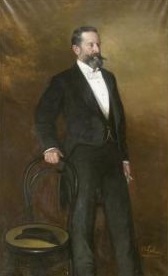
Romanazzi Carducci Grand'Uff. Guglielmo, Prince of Santo Mauro, (1881-1968).
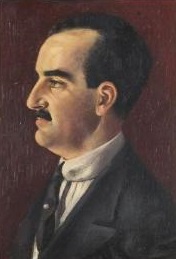
Last descendant of a very noble Putignano family that has expressed illustrious personalities over the centuries.
Son of Giovanni Antonio Romanazzi Carducci (who was several times Municipal Councilor and Provincial and died 1926 when he was already a Senator of the Kingdom) and of Baroness Maria d'Amely Melodia, he studied in Cava dei Tirreni, Naples and Florence.
Brilliant Cavalry Officer, in 1904 he married Donna Giulia Countess Saluzzo of Corigliano Princess of Santo Mauro. The Prince in Putignano participated in World War I.
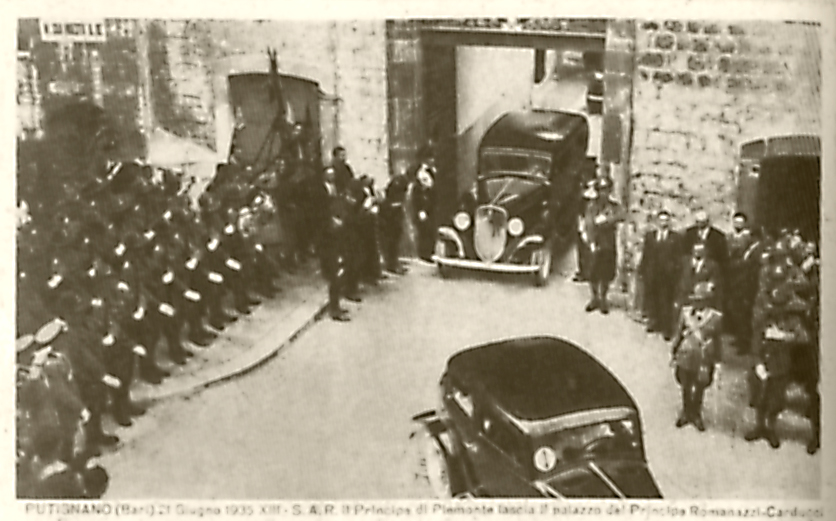 Before and after the war he devoted himself passionately to the work of land transformation in his fief of Palagiano. He also participated in political life: he was Municipal Councilor of Palagiano, Provincial Councilor of Taranto; Podestà of Putignano. He was interested in artistic events: in Naples he promoted and directed the Autonomous Body of San Carlo Theater; in Bari he managed the Petruzzelli for four years, offering memorable shows.
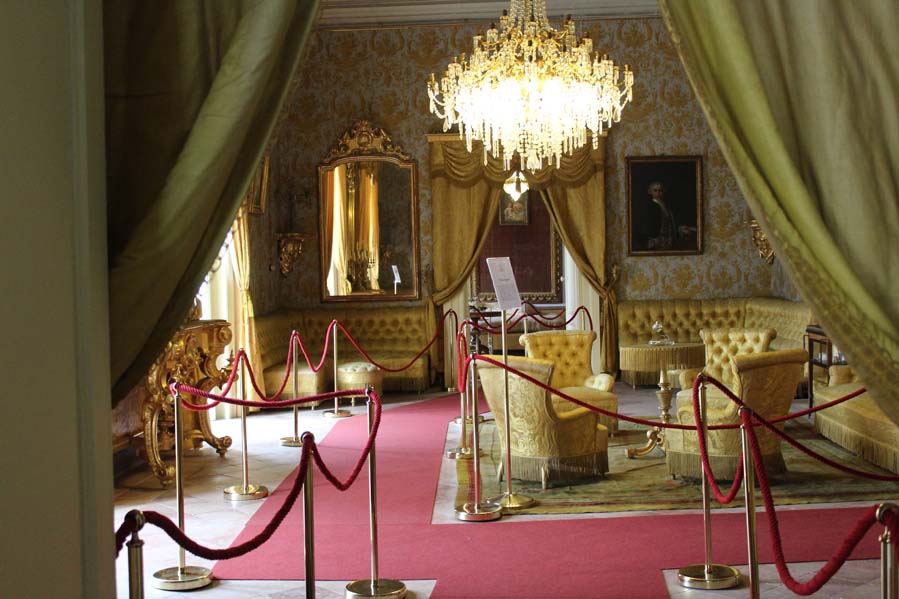
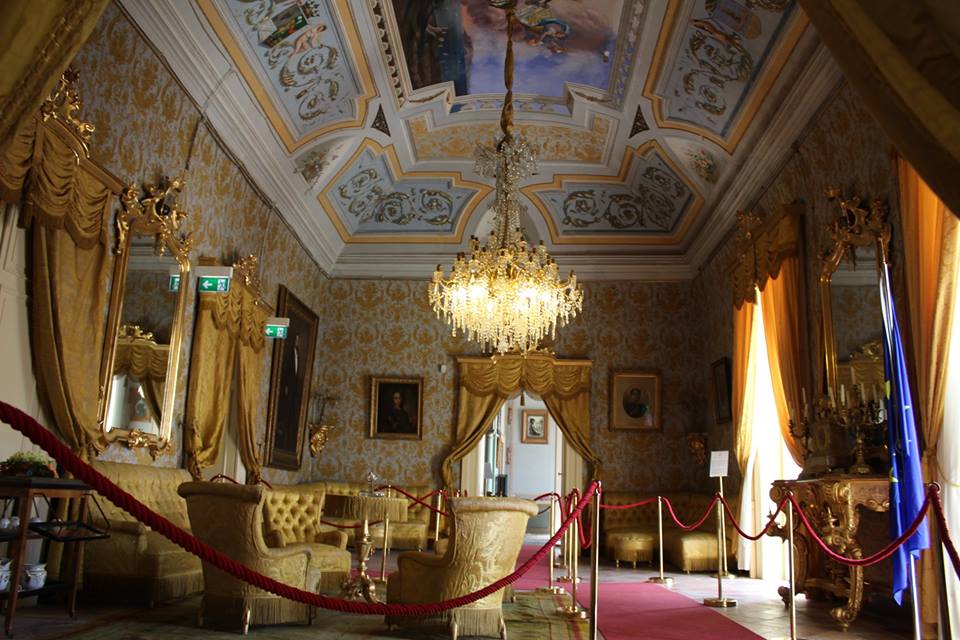
Shortly before his death, Don Guglielmo Romanazzi - Carducci donated to the Municipality of Putignano the Palace in Plebiscito Square (see page 91) and the Villa of San Pietro Piturno, the first because it was a city museum, the second by to allocate to a nursing home. This is "a noble gesture of magnificent munificence and princely patronage, which did not have the same in the history of our town", as stated in the minutes of the solemn meeting of the City Council on 16 January 1967, in the which one accepted the donation.
Family Romanazzi Carducci
EU 1922: Marquis, mpr., ric. 1899 - Giovanni Antonio, of Giuseppe of Giovanni Antonio (e of Rachele Carducci). Brothers: Guglielmo, Giuseppe, Orazio, Leonardo, Lorenzo, Lodovico, Rachele.
ES 1960: Guglielmo, of Giovanni Antonio, Principe, Marchese, Don; Giuseppe, of Giuseppe, of Giovanni Antonio, Noble of Marchesi; Lorenzo, of Giuseppe, of Giovanni Antonio, Noble of Marquis; Rachele, di Giuseppe, di Giovanni Antonio, Noble of Marchesi.
Marquis (mpr.) recognised with C.N.I. of 10.IV.1969.
A1. Marquis Giovanni Antonio (* 23.III.1847 † 13.V.1926) (title recognised with Ministerial Decree of Mini 16.VI.1899)
= Noble Maria Amelj (* Binetto 20.II.1860 † 6.IV.1886).
B1. Marquis Don Guglielmo (* Putignano 6.V.1881 † Bari 6.III.1968), authorized to assume marital appointments the title of Prince of Santo Mauro with Royal Decree motu of 6.VI.1935, Commander of the Order of Saints Maurice and Lazarus, Grand Officer of the Order of the Crown of Italy.
= Napoli 1.II.1904 Countess Donna Giulia Saluzzo Princess of Santo Mauro (* Napoli 9.I.1884 † Napoli 21.II.1948), authorized to transmit the title with Ministerial Decree of 8.V.1933.
C1. Donna Maria Alasia (* Napoli 14.XII.1904 † ?), Princess of Santo Mauro since 1968.
= Napoli 14.VII.1932 Don Mariano Lombardo Duke of Cumia
B2. Giulia (* Putignano 27.XI.1882 † Napoli 3.II.1968)
= Napoli 2.VII.1906 Duke, Marquis and Count Don Pietro Piromallo Capece Piscicelli Duke of Capracotta
B3. Ottavia (* Putignano 19.I.1884 † Gioiosa Jonica 30.I.1973)
= 20.VIII.1916 Alberto Macri
A2. Giuseppe (* Putignano 8.V.1851 † 24.III.1930), Knight of the Order of the Crown of Italy.
= Portici 27.IV.1887 Donna Rachele de Notaristefano of Dukes of Vastogirardi (* Napoli 28.X.1864 † Bari 8.II.1951).
B1. Giulia (* Bari 12.IX.1888 † ivi 8.VIII.1971)
B2. Anna (* Bari 1.I.1890 † 13.III.1916).
B3. Marchese Leonardo (* Bari 8.IV.1893 † ivi 1985)
= Andria 28.VI.1922 Maria Porro Spagnoletti Zeuli († VI.1986).
C1. Marchese Giovanni Antonio (* Bari 10.I.1924)
= 10.VII.1957 Luisa Guaccero
D1. Giulio (* Bari 18.VII.1958)
= 2.IX.1989 Giuliana Mucelli
E1. Maria Alasia (* San Donà di Piave 23.VII.1990)
E2. Edoardo Leopoldo (* San Donà of Piave 18.VII.1993)
D2. Alessandro (* Bari 18.VI.1961).
A3. Orazio (* Putignano 7.IX.1856 † 27.VIII.1912), Knight of the Order of the Crown of Italy.
= 15.IX.1894 Laura Tateo (* 23.XII.1875 † ?).
B1. Ludovico (* Putignano 15.VIII.1896 † Bari 11.VI.1960).
B2. Giulia (* Putignano 21.XI.1897 † ?)
= Filippo Alfonso Grilli
B3. Armando (* Putignano 7.I.1901 † ?)
= Maria Immacolata Macrì
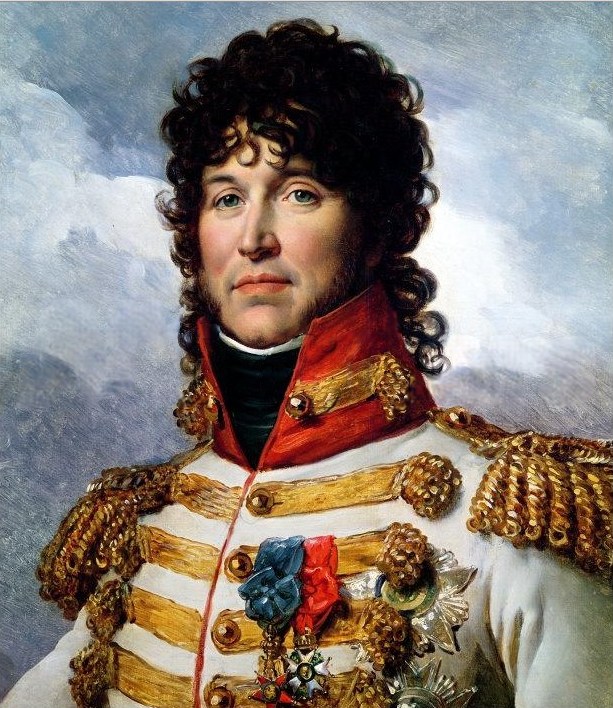 General Joachim Murat abolished the servitude of the land that had reduced the peasants to poverty. Thus increased the wealth of the country, the common pastures became private surrounded by dry-stone walls, the forests were the first occupants and the planters of vineyards and gardens escaped the duties. This brought fiscal improvement and well-being to the citizens after so many years of regime changes and raids that completely absorbed the attention of the administrators. Murat arrived in Bari without knowing it and spent one night (between 15 and 16 April 1813) in Putignano, a guest in the Villa near the small church of S. Giovanni belonging to Raffaele Marascelli, on his trip to Puglia. In exchange for the hospitality received, Murat gave Marascelli a white horse.
The Tree of Freedom
The last of the three Olmi trees planted by the French in 1806 solemnly vigorously stands in front of the Town Hall, in memory of the new ideas of Freedom and Equality of democracy. When the plebs were planted, they accompanied the feast with songs, sounds and the trees as was customary at the time were blessed by the clergy. This happened, despite the fact that the democratizers were acted with fisci and threats to life, for this reason there were blood crimes and bullying everywhere. The horrors of popular turmoil were made even more acute by the intervention of those who, with the occasion, in order to affirm their supremacy, gave vent to rancor and hatred, each obviously claimed to be able to assert their party with the will to overwhelm the opponents. In this way they tried to oust the Cavaleans of Malta with the complicity of the people and destroyed the coat of arms which, rebuilt with public money, in 1747, surmounted the arch of Porta Barsento.
 This website project born from the idea of Gianni Musaio is enclosed in a team spirit and is the result of the collaboration of people, ordinary citizens, who care about the historical, cultural, artistic, geographical, food and wine heritage of the historic center of Putignano, a town in to live.

The historic center of a town is the fulcrum of the territory, where ancient stories, traditions and culture of those who preceded us are preserved. You too can contribute to leaving the testimonies of the past to the generations to come, taking care of them.